
Costs
How Much Does AC Repair Cost in Matthews, NC?
By Littleton Premier Heating & AirUpdated 6 min read
The short answer
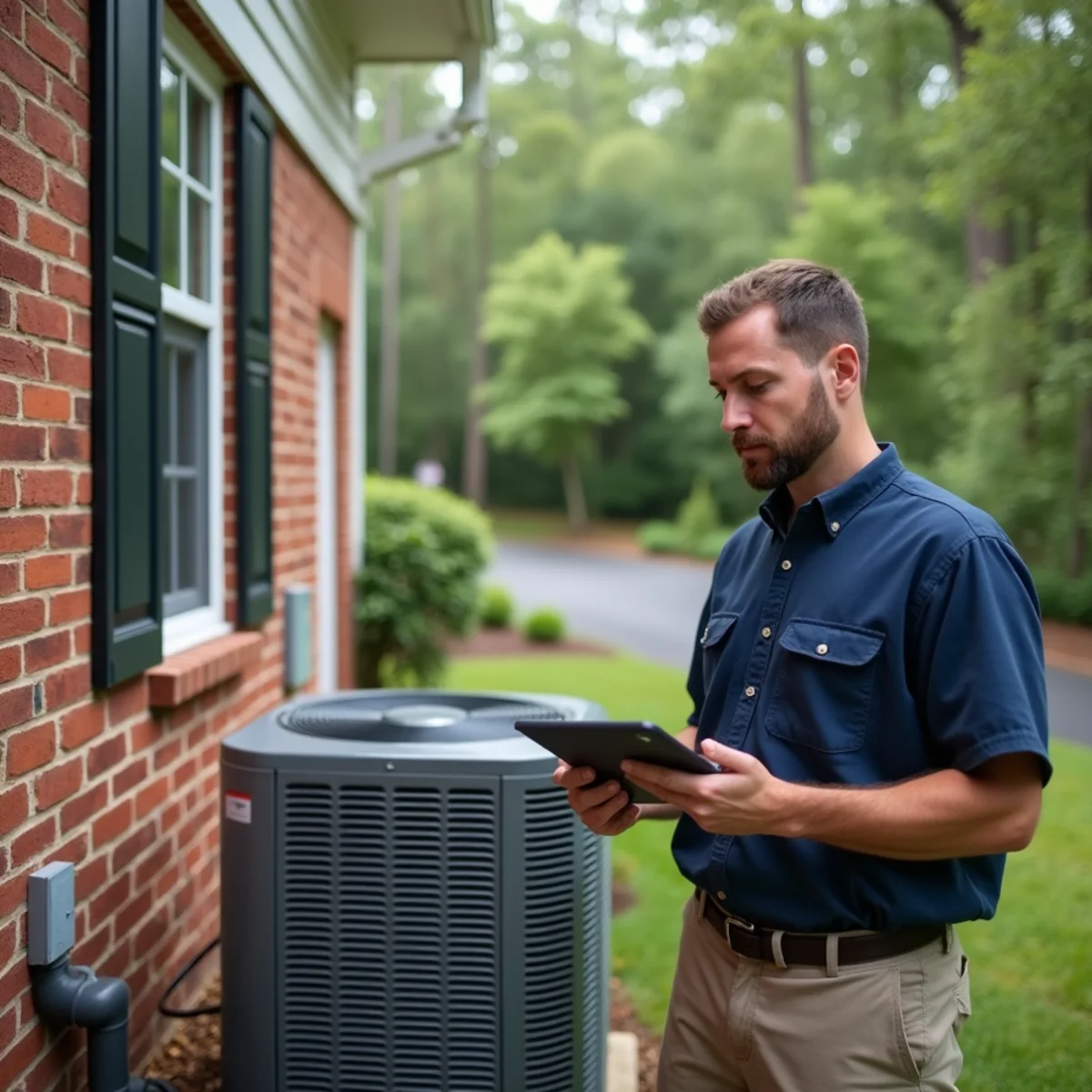
AC repair cost in Matthews depends on the failed part, the refrigerant, access to the equipment and when the visit happens. Capacitors and contactors sit at the low end, motors and leak repairs in the middle, coils and compressors at the top. A fair contractor diagnoses first and puts the price in writing before work starts.
Why No One Can Quote an AC Repair Over the Phone
"AC repair" covers a twenty-minute capacitor swap and a compressor replacement that needs refrigerant recovery, brazing, a vacuum pump and most of a day. Until a technician has meters and gauges on the system, any number is a guess. National averages also miss what drives a Matthews bill: a 1998 air handler in a cramped attic over a two-story house in Sardis Plantation, an R-22 condenser tucked behind a deck in Providence Hills, or a call that comes in at 10 p.m. in August.
What you can know ahead of time is how the price is built: the diagnostic visit, the failed part, labor and access, and any refrigerant.
Diagnostic and After-Hours Fees: Questions to Ask
Most contractors charge a service call or diagnostic fee to come out, test the system and identify the fault. It pays for the drive, the testing time and a clear answer. Policies vary, so ask on the phone:
- Is there a diagnostic or trip fee, and is it credited toward the repair if I approve the work?
- Is the rate different on nights, weekends or holidays, and does that apply to the visit, the labor or both?
- Will I get the price in writing before any work begins?
- If the part is not on the truck, is there a charge for the return trip?
A real diagnosis is worth paying for; guesswork is how homeowners buy a capacitor, then a contactor, then the fan motor that was the problem all along. If the house is holding in the high 70s and no one at home is vulnerable to heat, a weekday visit can avoid after-hours rates. If it is 88 upstairs and climbing, the premium is usually worth it, and our 24/7 emergency HVAC repair line is answered by a live person at any hour.
The AC Repair Cost Ladder, Smallest to Largest
Common repairs fall in a fairly steady order. Exact prices depend on the brand, part availability and the contractor, but the ranking rarely changes.
| Rung | Repair | What drives it |
|---|---|---|
| 1 (smallest) | Run capacitor, contactor or fuse | Inexpensive electrical part, short labor, no refrigerant work |
| 1 (smallest) | Clogged condensate drain or tripped float switch | Mostly labor; more if a rusted attic pan must be replaced |
| 2 | Thermostat or low-voltage wiring | Depends on the thermostat model and any damaged wiring |
| 3 | Condenser fan motor or indoor blower motor | Motor prices vary widely; variable-speed blowers sit higher and attic access adds time |
| 4 | Refrigerant leak search, repair and recharge | Time to find the leak, the repair, evacuation and a new charge; refrigerant type matters |
| 5 | Evaporator or condenser coil | Large part plus recovery, brazing, vacuum and recharge, often in a hot attic |
| 6 (largest) | Compressor | The most expensive single component, with the full refrigerant procedure on top |
The leak rung has the widest spread. A leaking valve core at the service port is a short job. A pinhole in an indoor coil buried in an attic can push a leak repair close to coil-replacement territory, and that is where the repair-or-replace conversation usually starts.
R-22 vs R-410A: Why Refrigerant Changes the Bill
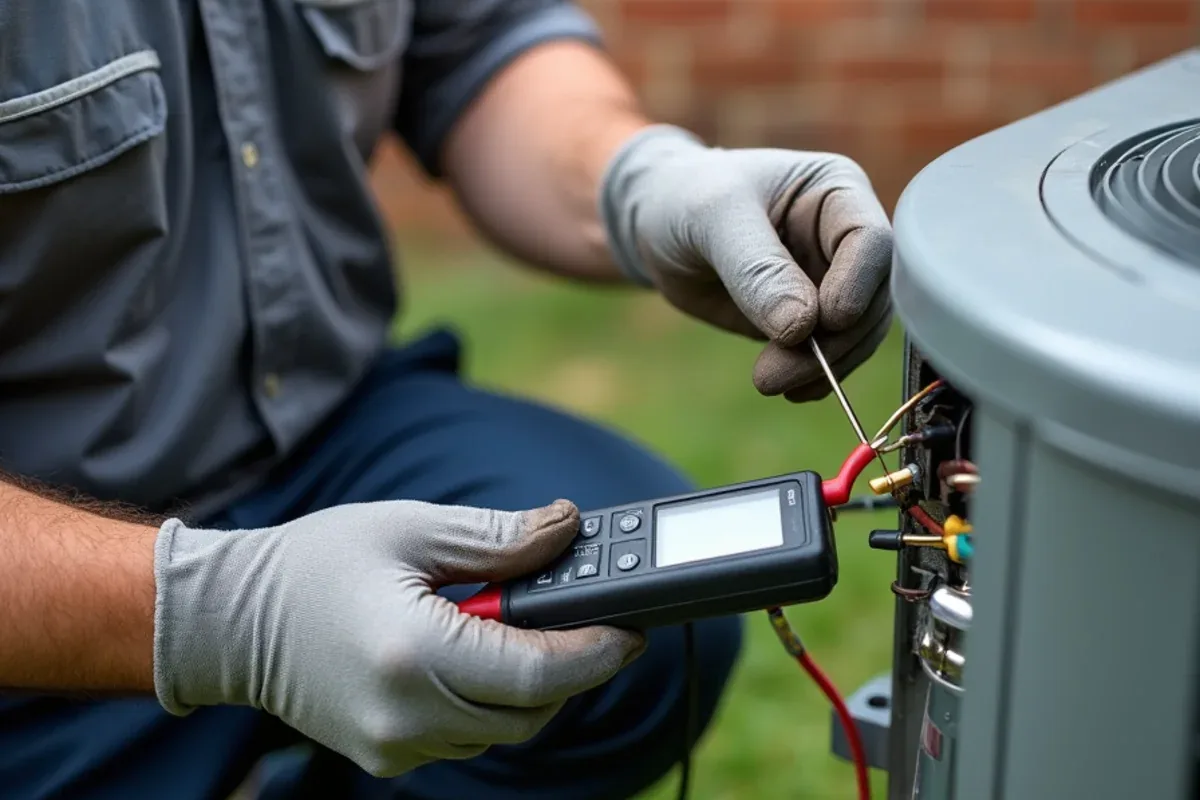
Check the data plate on the outdoor unit. Many systems installed in Matthews before about 2010 use R-22. Production and import of R-22 ended on January 1, 2020, so any R-22 used today is reclaimed or stockpiled, and its price reflects that scarcity. A leak on an R-22 system is often where the repair math stops working.
Systems from roughly 2010 on use R-410A, which is still serviced and easier to find, though supply is stepping down under the federal HFC phasedown. New systems now ship with lower-GWP refrigerants such as R-454B or R-32. One rule holds for all of them: refrigerant should never be topped off without finding and fixing the leak. Refrigerant work requires EPA Section 608 certification.
Other things that move the price
- Access. A condenser in an open side yard is quick. An attic air handler over a bonus room with no walkway, or a unit in a low, damp crawl space, adds labor.
- Brand-specific parts. Some motors and boards come only from the manufacturer and take longer to source.
- Warranty status. Many manufacturers cover parts for a set number of years, often longer when the unit was registered. Labor is usually separate. Have the model and serial numbers ready.
What a Written Quote Should List
Before you approve a repair, the quote in front of you should show:
- 1What failed and how the technician confirmed it
- 2Each part being replaced, by name
- 3Labor, refrigerant (type and amount) and any fees on separate lines
- 4Whether the diagnostic fee is credited
- 5The warranty on the part and on the labor
- 6Other problems found that are not urgent, so you can plan for them
Every HVAC technician we send is licensed and insured in North Carolina. You can confirm any North Carolina HVAC contractor on the board's license lookup at nclicensing.org; most residential work falls under the H-3 classification. To start with a diagnosis, see AC repair in Matthews or call (321) 478-0693.
Next door, AC and heating service in Mint Hill covers 1970s and 1980s crawl space ranch homes and the newer subdivisions off I-485.
When the Repair Bill Points to Replacement
Repair usually makes sense when the system is under about ten years old, runs on R-410A and the failure is on the lower rungs. Replacement deserves a serious look when:
- The compressor or a coil failed on a system older than about 12 to 15 years
- The system runs on R-22 and needs refrigerant work
- The same unit has needed refrigerant two summers in a row
- The repair is a large share of a new system's price on a unit past mid-life
- Some rooms never cooled well, which can point to sizing or ductwork a replacement can correct
Our guide to repairing or replacing a 15-year-old HVAC system walks through that decision, and the HVAC installation and replacement page explains load calculations and current SEER2 equipment.
How a Tune-Up Prevents the Expensive Repairs
Most expensive AC failures start as cheap ones. A weak capacitor makes the compressor strain at every start. A pollen-caked condenser coil raises operating pressure all summer. A slow drain becomes an overflow, then a stained ceiling. A spring tune-up, ideally after the pine pollen settles in late April and before the first heat wave, catches these while they are still on the bottom rung.
- Test capacitors against their rating and inspect contactor points
- Clean the outdoor coil and check the indoor coil
- Flush the condensate line and inspect the attic pan and float switch
- Measure the temperature split and refrigerant pressures for signs of a leak
- Check blower and fan motor amperage
Who Pays: Manufacturer Warranty, Home Warranty or Insurance?
Before you approve a repair, it is worth two minutes to see whether someone else covers part of it. Three different things get confused:
- Manufacturer warranty. Covers specific failed parts for a set period, often longer if the unit was registered after installation. It rarely covers labor or refrigerant, so a covered coil can still come with a real bill. The model and serial number on the outdoor unit tell the technician where you stand.
- Home warranty. A service contract, often bought with the house, that can cover wear-and-tear failures. It usually sends its own approved contractor, charges a service fee per claim, and has caps and exclusions; call the warranty company first if you want the claim honored.
- Homeowners insurance. Typically covers sudden damage from a covered event, such as a lightning strike, a fallen limb or fire, and not wear, age or neglect. A technician's written findings and photos help the claim; the policy and the adjuster decide.
After a storm, document first. Photograph the outdoor unit and the date before anything is moved, and ask the technician to note storm-related findings separately from normal wear in the written report.
The Bottom Line on AC Repair Cost
Nobody can price your repair before testing the system, but you can control most of the variables: ask about the diagnostic and after-hours fees up front, check warranty status, insist on a written line-item quote, and treat a repeat refrigerant top-off as a leak that needs finding. When you are ready, AC repair in Matthews starts with a call to (321) 478-0693, answered 24/7, and Mint Hill homeowners can see HVAC repair in Mint Hill for local details.
From the job site
What sets the bill on Matthews AC calls
Most summer calls in Matthews, Stallings and Indian Trail land on the bottom two rungs: a dual run capacitor, a contactor, or a drain line clogged with a season of growth. The costly calls cluster in 15- to 25-year-old systems, especially original R-22 equipment in 1990s subdivisions, where a coil leak or a tired compressor gives out during the first July heat wave.
Access adds more to a Matthews bill than most people expect. Two-story homes from this era often put the air handler in an attic reached by a pull-down ladder, with little decking and summer temperatures that limit how long anyone can safely work up there. A repair that takes one hour in a garage closet can take three in that attic, which is why the written quote should break out labor.
- Ask whether a refrigerant charge includes a leak search; a recharge alone is not a repair.
- Keep the data plate photo with your home records; it answers the refrigerant and age questions immediately.
Related questions
How much is an AC diagnostic visit in Matthews?
Is it worth repairing an AC that uses R-22?
Why did the technician recommend a leak search instead of just adding refrigerant?
Does a tune-up really lower repair costs?
Written by the Littleton Premier Heating & Air team for homeowners in Matthews and nearby communities. General information, not a diagnosis or engineering advice: leave refrigerant, electrical and gas work to a licensed HVAC technician, who has the final word on your system. Every HVAC technician we send is licensed and insured in North Carolina. Last reviewed October 2026.